
The Long Game: Why Fairness, Consistency and Strategy Matter More Than Ever
St David's College is in a strong financial position. It is because of this that we have been able to invest over £1m in our School over the last few years, with further investment planned for 2027 and beyond. That reflects deliberate, long-term strategy, not chance.
Every generation believes it is facing unprecedented challenges. Independent schools are no exception. Changing expectations, increasing financial pressures and a rapidly evolving educational landscape have prompted many governing bodies and leadership teams to question what the future holds.
Those conversations are important, but I believe the greatest risk facing our sector is not the challenges themselves. It is allowing uncertainty to dictate strategy.
As bursars, we spend much of our time managing risk. We forecast cash flow, oversee estates, manage resources and ensure our schools remain financially sustainable. Those responsibilities are essential, but financial stewardship is about far more than balancing this year's budget. It is about making decisions that strengthen the school over the long term.
For me, every significant decision comes back to two principles: fairness and consistency.
Whether we are setting fees, investing in facilities, allocating financial support or responding to individual requests, those principles should remain constant. Families deserve to know what their school stands for. They should have confidence that decisions are made transparently, consistently and in the interests of the whole community, not influenced by who negotiates hardest or who happens to make the most noise.
That consistency creates trust, and trust gives schools the confidence to remain focused on a long-term strategy, even when external pressures encourage short-term decisions.
Periods of uncertainty naturally tempt organisations to react. Recruitment is paused, maintenance delayed, marketing budgets reduced and investment postponed until conditions improve. Each decision may appear sensible in isolation, but a school rarely loses its way because of one decision. It happens when a series of short-term compromises slowly replace long-term ambition.
Strategy should outlast uncertainty.
That has been an important principle for us at St David's. We have chosen not to allow external pressures to define our direction. Instead, we have continued to invest in the areas that will strengthen the school for years to come, recognising that confidence in our long-term strategy is ultimately more valuable than constantly responding to short-term challenges.
The same philosophy shapes our approach to financial management. Healthy surpluses should never be viewed as something to apologise for. They are not an end in themselves, nor are they evidence that parents have paid too much. They are today’s security and tomorrow's investment: the refurbished boarding house, improved learning environment, upgraded technology. They provide the resilience to invest with confidence rather than simply react to events.
The same is true of reserves. They should provide stability through periods of uncertainty, not become a way of funding recurring deficits. Strong schools should aspire to build resilience, not simply stand still.
It also means having honest conversations about fees. Parents should expect fees to reflect the genuine cost of delivering an outstanding education. Commercial income, lettings and other initiatives all have an important role to play, but they should enhance what a school offers rather than subsidise an unsustainable financial model. Financial sustainability is not about generating profit; it is about ensuring schools can continue to recruit excellent staff, maintain inspiring learning environments and invest in the educational experience every child deserves.
Ultimately, that experience is where value is truly measured.
When parents choose an independent school, they are investing in far more than examination results. They are placing their trust in a community where they hope their child will be known, understood and encouraged to flourish. As our understanding of neurodiversity continues to evolve, that expectation has become even more important. Families increasingly want schools that recognise every child as an individual and are willing to adapt to their strengths, challenges and potential.
Every financial decision should support that experience.
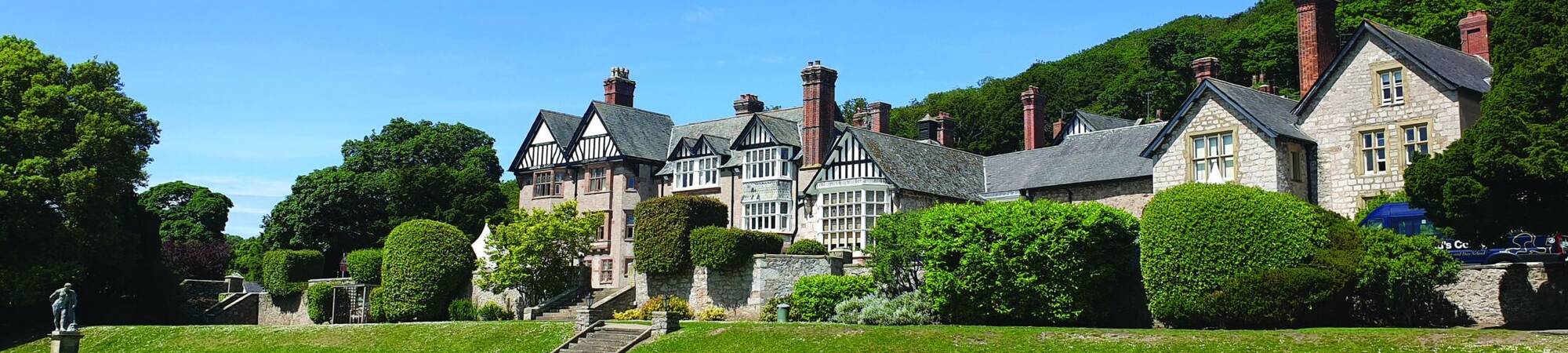
The same thinking influences how we approach investment beyond the classroom. Maintaining our Grade I listed estate is not simply about preserving buildings; it reflects the pride we take in our school and the standards we expect every day. If we genuinely believe in the education we provide, then we have a responsibility to communicate that value confidently, reach families who share our values and continue building a strong and diverse school community.
Independent schools have always adapted to change, and they always will. Governments change, economies fluctuate and new challenges emerge, but the fundamentals of good leadership remain remarkably consistent.
As bursars, we are privileged to help shape that future. And for me, that responsibility will always come back to the same two principles: fairness and consistency. They build trust with families; give governing bodies confidence in the decisions they make and provide the foundation for a strategy that can withstand uncertainty.